Beyond Nostalgia: The Practical Power of the Retro Computer Monitor Vector
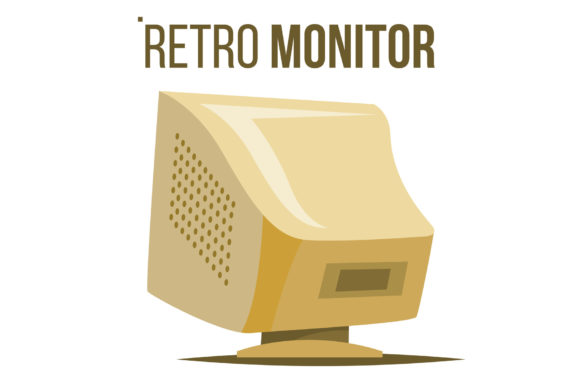
When we see an image of an old, blocky CRT monitor with its warm glow and distinctly curved screen, it often triggers a wave of personal nostalgia. For many, it represents a first computer, late-night gaming sessions, or the early days of the internet. But this iconic object has transcended memory to become a versatile digital asset: the retro computer monitor vector. As a flat, cartoon-style illustration, isolated from any background and available in formats like JPG and EPS, this vector image is far more than a simple picture of an old classic desktop personal computer screen. It is a tool of modern communication, design, and branding, finding surprising relevance in today's digital workflows.
The appeal of this specific vector lies in its distilled essence. It captures the recognizable form of the retro monitor—often with visible scan lines, a bulky base, and perhaps even a faint green phosphor tint—while stripping away the physical complexities. This isolation and simplification into a flat cartoon illustration make it infinitely scalable and adaptable. Designers and creators can integrate it into websites, apps, marketing materials, and presentations without the visual noise of a realistic photograph. The retro computer monitor vector becomes a clear, stylistic symbol.
Why Retro Tech Imagery Resonates in a Modern Context
The resurgence of interest in vintage computing aesthetics isn't merely about looking back. It intersects with several contemporary trends in design and user psychology. In a digital environment saturated with sleek, minimalist interfaces and flat designs, the tactile, tangible look of a retro monitor vector introduces a point of contrast and character. It conveys ideas of authenticity, craftsmanship, and a foundational era of technology. For businesses in the gaming, software, or tech education sectors, using a retro computer monitor vector can subtly signal roots, history, or a focus on core principles. It’s a visual shorthand for "where it all began."
Moreover, the rise of "retro-futurism" in pop culture—blending old-tech aesthetics with modern concepts—has created a fertile ground for these assets. An isolated flat cartoon illustration of an old screen can be the perfect graphic to accompany articles about cybersecurity (evoking early hacking culture), the evolution of work-from-home setups, or the history of digital art. Its style is accessible and immediately understandable, bypassing the need for a complex 3D render.
The Functional Formats: JPG and EPS
The specified formats, JPG and EPS, speak directly to practical application. A JPG file provides a ready-to-use, raster image suitable for quick placement in blog posts, social media graphics, or web banners where the retro computer monitor vector needs to be seen as a finished element. The EPS file, however, unlocks its true potential as a vector asset. This format allows designers to resize the illustration to any dimension without loss of quality—from a tiny icon on a mobile app to a massive backdrop for a trade show banner. Every line and color remains crisp. This scalability makes it invaluable for professional branding systems that need consistent imagery across countless touchpoints.
From Office to Gaming: A Vector with Dual Symbolism
The retro monitor vector carries two primary cultural associations: the office and the gaming den. In an office context, it symbolizes early business computing, data processing, and the dawn of the digital workplace. Using this vector in presentations about productivity software evolution or the history of remote work adds a tangible, human element to the narrative. It reminds us that today's seamless cloud collaboration sprang from isolated machines on desks.
In gaming, the old classic desktop personal computer screen is an icon of heritage. It represents the era of foundational titles, LAN parties, and hardware that felt intimately interactive. Game developers, streaming service marketers, and retro gaming communities use these vectors to evoke a sense of community and pioneering spirit. An isolated flat cartoon illustration of a glowing CRT monitor can instantly set the tone for content related to classic game reviews, indie developer stories, or gaming hardware history.
Practical Implications for Creators and Professionals
For the modern creative professional—whether a marketer, blogger, UI designer, or educator—the retro computer monitor vector is a resource that solves specific problems. First, it provides a royalty-free, easily editable visual to represent the concept of "computing" or "technology" without resorting to cliché, modern device imagery. Second, its cartoonish, flat style integrates seamlessly with contemporary design trends that favor bold colors and simple shapes. A designer can quickly change its fill color to match a brand palette, or animate it subtly in a web intro, making the old object feel dynamic and fresh.
Entrepreneurs and business owners can leverage this imagery in branding for tech-related services. A consultancy focusing on simplifying complex IT systems might use a retro computer monitor vector in its logo to symbolize clarity and returning to basics. The key is to use it intentionally, as a symbol, not just as decorative filler. Its isolation makes it a powerful focal point.
Integrating Retro Vectors into Forward-Looking Workflows
The adoption of such assets highlights a shift in how we use visual language. The trend is towards symbolism and metaphor. A retro computer monitor vector isn't used to depict a current monitor; it's used to depict ideas: heritage, innovation from humble beginnings, the human element behind the screen, or even digital security (by referencing older, more physically tangible machines). This allows for richer storytelling in digital content.
Recommendations for effective use are straightforward. Pair the vector with modern, clean typography and layout to create a deliberate contrast. Use it in sections of content that discuss history, evolution, or foundational concepts. Avoid overusing it; one powerful, well-placed retro computer monitor vector image can be more effective than several. For maximum versatility, acquire the EPS vector file to allow full control over scale and color adaptation, ensuring the asset remains useful across all projects from print to pixel.
Ultimately, the continued relevance of the retro computer monitor vector. Old proves that good design communication often relies on shared cultural memory. By packaging that memory into a scalable, adaptable, and isolated flat cartoon illustration, we have created a bridge between the tactile past and the digital present. It serves not as a relic, but as a practical tool, helping professionals, creators, and storytellers convey complex ideas about technology's journey with a single, understandable image.