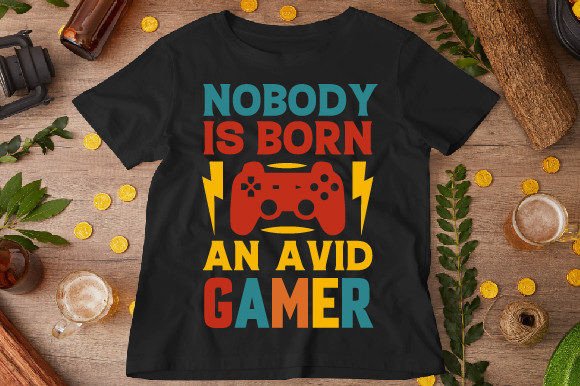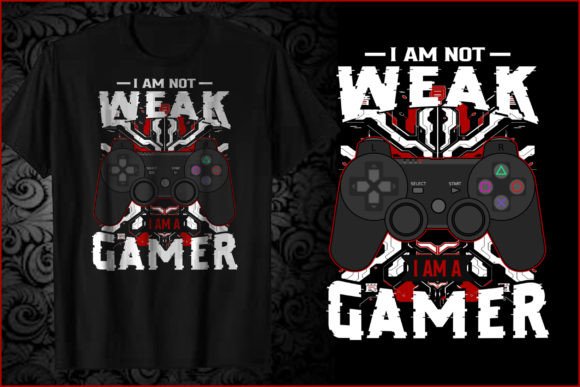
The Digital Thread: How Trendy Gamer T-Shirt Designs Are Crafting Identity
The rise of gaming from a niche hobby to a dominant cultural force has created a vibrant ecosystem beyond the screen. While tournaments and streaming capture headlines, a quieter revolution is happening in apparel, where the trendy gamer T-shirt design has become a powerful medium for self-expression, community building, and entrepreneurial opportunity. This movement is fueled not just by passion, but by sophisticated digital art tools and a new understanding of what gamers wear.
Beyond Logos: The Evolution of Gaming Wear
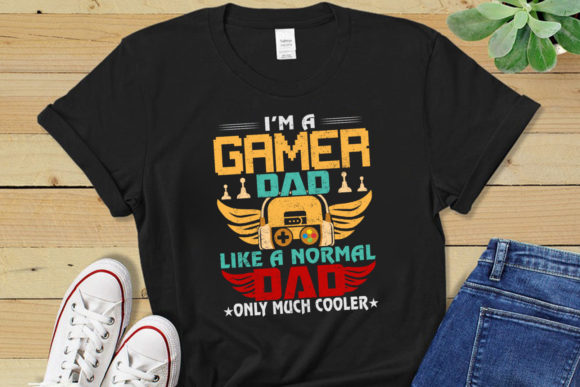
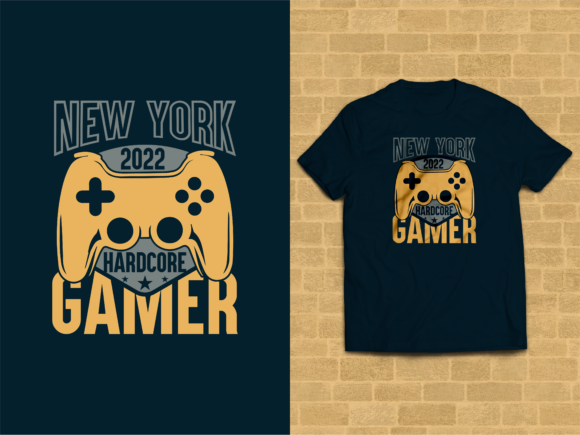
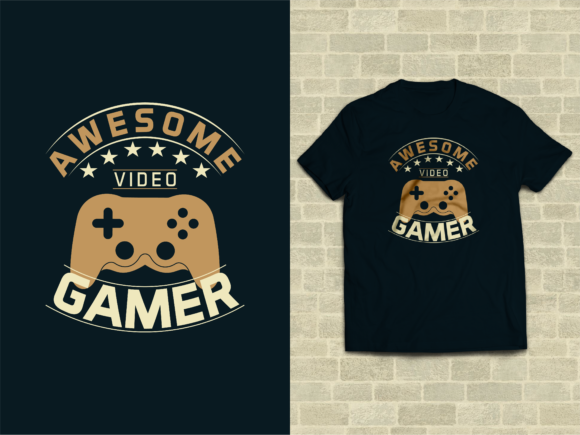
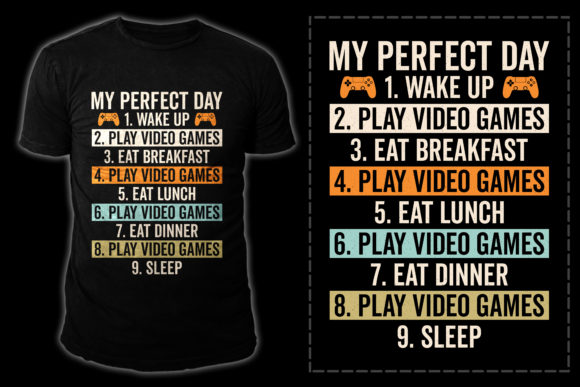
Historically, gaming merchandise often centered on official logos of game studios or franchises. Today, the landscape is radically different. A trendy gamer T-shirt design is less about corporate branding and more about personal or communal identity. These designs capture concepts, moods, and insider humor that resonate deeply within the culture. They might depict a minimalist representation of a beloved in-game item, a clever typographic pun about a notorious gaming glitch, or an artistic fusion of multiple game aesthetics. This shift from direct promotion to abstract representation marks gaming’s maturity as a lifestyle.
Characteristics of a Standout Design
Several key elements define successful contemporary gamer apparel art. Visual clarity is paramount; a design must be recognizable and impactful when printed, often relying on strong silhouettes, limited color palettes, and clean lines. Cultural relevance is another pillar. The artwork must tap into shared experiences—the thrill of a perfect victory, the agony of a humorous fail, the nostalgia for a classic title. Furthermore, versatility in application is a practical necessity. A single, high-quality vector file can be adapted for various products, from tees to mugs, ensuring brand consistency across a merchandise line.
The technical foundation for this versatility lies in the file formats provided by modern digital artists. Receiving a bundle containing an AI file, EPS, SVG, PNG, and PDF, all at high resolution, means the design is ready for any production path. The scalable vector files (SVG, EPS) allow for infinite resizing without quality loss, crucial for different print mediums. The high-DPI PNG with a transparent background offers effortless integration into mockups and marketing materials. This comprehensive file set transforms a creative idea into a ready-to-implement asset.
The Practical Pathway from Design to Product
For creators and entrepreneurs, understanding the workflow is essential. The process begins with the artwork acquisition. Once a designer’s portfolio is explored and a suitable trendy gamer T-shirt design is selected, the downloaded ZIP file containing the multi-format bundle is extracted. Using software like WinRAR or simply the operating system’s native extractor unlocks the files.
Platforms and Production Models
The choice of where and how to use the design depends on the business model. For individuals or small brands looking to test the market without inventory risk, print-on-demand (POD) services like Printful, Teespring, or Amazon Merch are ideal. These platforms allow the upload of the design file—typically using the PNG for previews and the SVG or EPS for the actual printing system—to create product listings. The platform handles production, shipping, and customer service, while the seller earns a royalty. This model democratizes access to the apparel market.
For those aiming to build a dedicated brand or conduct bulk sales, the same design files are used with traditional manufacturers or screen printers. The vector files ensure crisp prints on large orders. Furthermore, the asset bundle’s flexibility means the core design can be applied beyond T-shirts to create a cohesive product line including hoodies, bags, and accessories, amplifying brand presence.
Real-World Applications and User Stories
The application of these designs extends far beyond a simple tee. Consider a local esports team that uses a custom typography-based design featuring their team acronym in a glitchy, digital font. They use the PNG file for their social media graphics and the SVG to print shirts for their squad and selling to fans. The design becomes their visual identity.
Another example is a content creator who develops a series of designs based on their streaming persona. They use the artwork for their merch store on a POD platform, generating a passive income stream that deepens viewer engagement. The transparent PNG allows them to superimpose the design onto various product mockups in their promotional videos, showcasing the range effortlessly.
Even within gaming communities, custom designs are used for event memorabilia. A charity marathon event might commission or purchase a design bundle to create exclusive shirts for participants, using the PDF and EPS files for professional-grade print preparation. The artwork serves as a commemorative token that strengthens community bonds.
Considerations for Selecting and Using Designs
While the opportunities are vast, savvy users pay attention to several factors. First is artistic originality and legal clarity. Ensuring the design is either original artwork or properly licensed is critical to avoid intellectual property issues. Second is technical compatibility. Checking that the provided file formats (AI, EPS, SVG, PNG, PDF) align with the requirements of your chosen printing service or manufacturer prevents workflow obstacles.
Finally, there’s an understanding of audience taste. The “trendy” aspect implies a sensitivity to the evolving visual language of gaming. Designs that feel current—perhaps leveraging retro pixel art for nostalgia, or clean modern minimalism for a broader appeal—connect more effectively. Evaluating a designer’s portfolio for these trends is a key step.
The Broader Impact on Creative and Commercial Ecosystems
This focus on specialized, high-quality apparel art signifies a maturation of the gaming economy. It creates sustainable opportunities for digital artists who can now monetize their niche expertise through scalable graphic bundles. It empowers small business owners and content creators to build tangible brand extensions with minimal technical friction. For consumers, it offers a way to wear their passions with sophistication, moving beyond generic logos to don artwork that feels personally meaningful.
The availability of complete, production-ready file packages removes a major barrier. When a designer provides a 300 DPI EPS file, a scalable SVG, and a transparent PNG at 4500×5400 pixels, they are effectively providing a commercial toolkit. This empowers the user, whether a professional looking for custom T-shirt design assets or a hobbyist starting a print-on-demand side project, to execute their vision with confidence.
In essence, the trendy gamer T-shirt design is more than a graphic on cotton. It is a node connecting creativity, technology, commerce, and culture. It represents how digital tools have transformed passionate niches into viable markets, and how the symbols of our virtual experiences are woven into the fabric of our daily lives. As gaming continues to evolve, so too will the art that wears it, continually offering new threads for identity and enterprise.